Play Breakers Revenge Retro Game Online
Introduction to Breakers Revenge
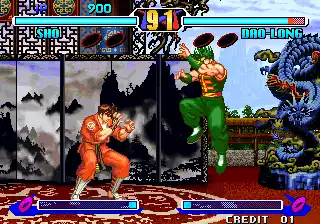
Breakers Revenge stands as a notable entry in the 2D fighting game genre, captivating players with its unique mechanics and vibrant visuals. Released in the mid-1990s, this game expanded the legacy of its predecessor, Breakers, offering fresh gameplay innovations while remaining rooted in classic fighting traditions. The nostalgic appeal connects gamers, both old and new, to an era where arcade gameplay dominated and competitive spirit thrived.
The Core Mechanics and Gameplay Innovations
Breakers Revenge features a distinct combat system that sets it apart from contemporaries. Players can choose from a diverse roster of characters, each equipped with their own unique moves and abilities. The game introduces the innovative "Break" mechanic, allowing players to execute powerful counterattacks and combos, which adds layers to both offense and defense. This feature can be pivotal in battles, encouraging strategic thinking and skillful executions. The difficulty level is notable, with AI opponents that challenge even seasoned players, creating an exhilarating experience that keeps them coming back.
Additionally, the game's stunning hand-drawn visuals and smooth animations were groundbreaking for its time. The character designs draw heavily on the art style of manga and anime, giving each fighter a distinctive personality. The atmospheric sound design further elevates the immersive experience, making each match feel dynamic and engaging.
Legacy and Cultural Impact
Despite its niche appeal, Breakers Revenge has carved out a considerable legacy in the fighting game community. The game is often celebrated in retro gaming tournaments, sustaining interest among dedicated players and newcomers alike. Its influence is seen in modern fighting games that borrow elements from its mechanics, and forums continue to discuss strategies and character combos. The nostalgia associated with this classic ensures its place in the hearts of gamers, often drawing them back to arcade memories.
![The King of Fighters 2002 Magic Plus II (bootleg) [Bootleg]](https://playretrogames.org/uploads/images/the-king-of-fighters-2002-magic-plus-ii-bootleg-bootleg.webp)
![The King of Fighters 2002 Super (bootleg) [Bootleg]](https://playretrogames.org/uploads/images/the-king-of-fighters-2002-super-bootleg-bootleg.webp)
![Street Fighter II' - Champion Edition (YYC bootleg set 2, 920313 etc) [Bootleg]](https://playretrogames.org/uploads/images/street-fighter-ii-champion-edition-yyc-bootleg-set-2-920313-etc-bootleg.webp)