Play Donkey Kong (USA) Retro Game Online
Gameplay Mechanics and Difficulty
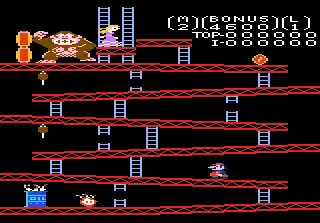
The enduring appeal of Donkey Kong lies in its straightforward yet challenging gameplay mechanics. Players control Mario, tasked with rescuing a damsel in distress from the clutches of the titular giant ape. As they traverse multiple levels, players encounter a variety of hazards such as barrels rolling down ramps and platforms that vanish. Each stage introduces new obstacles, testing both reflexes and timing.
Difficulty ramps up progressively, requiring players to develop strategies to navigate pitfalls and enemy placements. The unique design elements of the game encourage repeated attempts, feeding into the addictive nature that defined arcade gaming during the 1980s. This layer of complexity paired with simple controls has cemented its place in gaming history, attracting both casual and hardcore gamers alike.
Historical Background and Design Innovations
Released in 1981 by Nintendo, Donkey Kong marked a pivotal moment in gaming history. Developed under the watchful eye of Shigeru Miyamoto, it was one of the first video games to incorporate a story that unfolded as players progressed, rather than presenting only a solitary scoring challenge. This narrative innovation was instrumental in changing players' emotional connections to video games.
Additionally, the introduction of a female protagonist—Pauline—was groundbreaking for its time, challenging the male-dominated tropes prevalent in many games. The game's engaging visuals, characterized by vibrant pixel art, set a standard for future platformers. This early craftsmanship laid the groundwork for the vibrant gaming industry that followed, showcasing potential beyond static screens and high scores.
Cultural Impact and Legacy
The cultural impact of Donkey Kong extends beyond its gaming mechanics. It was instrumental in launching Mario—now an icon of pop culture. Its catchy music score and memorable characters have been the subject of various adaptations, inspiring merchandise, cartoons, and sequels. The game not only solidified Nintendo's place in the industry but also introduced gaming as a mainstream form of entertainment.
Today, Donkey Kong is more than just a nostalgic memory; it represents a significant chapter in the evolution of video gaming. From arcade cabinets to modern consoles, its influence resonates throughout generations of gamers. This pioneering title continues to be celebrated, not just for its gameplay but also for the legacy it built—forever establishing a format that introduces complex narratives into gaming.