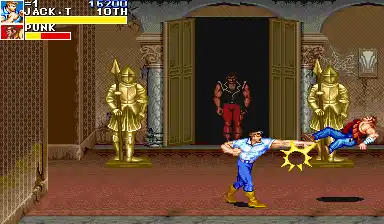
Play Final Fight (USA, set 1) Retro Game Online
Introduction to Final Fight
Final Fight revolutionized the beat 'em up genre when it was released in the late 1980s. Developed by Capcom, this arcade classic became an instant hit due to its engaging gameplay, vibrant graphics, and memorable characters. A pioneer in co-op gameplay, Final Fight not only sucked gamers into its gritty urban world but also laid the foundation for countless sequels and spin-offs, making it a significant milestone in video game history.
Core Gameplay Mechanics and Innovation
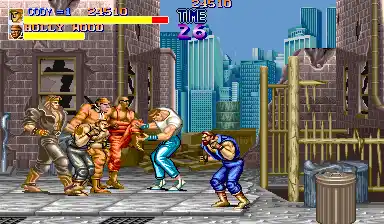
Final Fight introduced players to a simple yet addictive combat system that relied heavily on button mashing, where players could execute punches, kicks, and unique combos. The game primarily features three playable characters: Mike Haggar, a former pro wrestler; Cody Travers, a skilled martial artist; and Guy, an expert ninja. Each character has his own strengths and weaknesses, allowing for diverse gameplay experiences. The intuitive design encourages cooperation; players can team up offensively, tackling enemies together, which was groundbreaking at the time. The game also featured hidden bonus stages and a variety of enemy types, increasing its replayability and challenge level.
Historical Context and Cultural Impact
First launched in arcades in 1989, Final Fight was a direct response to the rising popularity of side-scrolling beat 'em ups, following titles like Double Dragon. Its success prompted Capcom to adapt the experience for the Super Nintendo Entertainment System (SNES) in 1990, and subsequent home versions solidified its legacy among gamers. Beyond its commercial success, Final Fight has influenced pop culture, spawning an animated series, comic adaptations, and numerous references in various media over the years. Its characters and distinctive urban setting became iconic, inspiring future developers and reinforcing the game’s position in the pantheon of classic gaming.
Legacy and Enduring Memory
Even decades after its initial release, Final Fight remains a beloved classic. The game is frequently featured in various gaming collections and retro throwback events, showcasing its lasting appeal. Its core mechanics continue to be studied for design lessons, reaffirming the title's importance in game development history. For many, Final Fight evokes a sense of nostalgia, embodying the thrill of arcade battles and collaborative play that defines the joy of retro gaming.
Conclusion
Through its innovative gameplay mechanics and historical significance, Final Fight carved out a unique space in gaming culture. Its ability to blend action with cooperative play not only set new standards for the genre but also forged a sense of community among gamers. Today, Final Fight serves as a nostalgic reminder of the golden age of arcade gaming, continuing to inspire both players and developers alike.
![The King of Fighters 2002 Magic Plus II (bootleg) [Bootleg]](https://playretrogames.org/uploads/images/the-king-of-fighters-2002-magic-plus-ii-bootleg-bootleg.webp)
![The King of Fighters 2002 Super (bootleg) [Bootleg]](https://playretrogames.org/uploads/images/the-king-of-fighters-2002-super-bootleg-bootleg.webp)
![Street Fighter II' - Champion Edition (YYC bootleg set 2, 920313 etc) [Bootleg]](https://playretrogames.org/uploads/images/street-fighter-ii-champion-edition-yyc-bootleg-set-2-920313-etc-bootleg.webp)