Play Guilty Gear Retro Game Online
Introduction
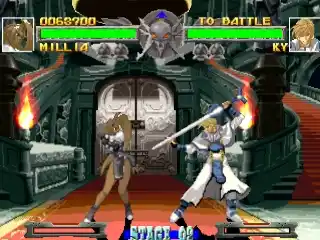
Guilty Gear stands as a landmark in the fighting game genre, redefining the competitive landscape with its unique blend of intense gameplay and intricate mechanics. Launched in 1998 by Arc System Works, this title didn't just bring characters and combos—it introduced a vibrant world laden with anime-inspired art and a rich soundtrack that set it apart from its contemporaries. Nostalgia envelops those who experienced its debut, as this game opened doors to a new wave of fighting games eager to carve out their own identities.
Core Gameplay Mechanics and Difficulty
At its heart, Guilty Gear features an intricate combat system characterized by its fast-paced action and deep combo potential. Players engage in battles that require not just quick reflexes but also strategic thinking, as each character boasts a diverse set of moves and transformations. The game introduced mechanics such as the "Roman Cancel," allowing players to manipulate their actions mid-combo, which added a layer of complexity and skill. This level of sophistication garnered a reputation for being difficult, but it also offered rich rewards for those willing to invest the time to master it.
Historical Release Background
The game's release in the late '90s marked a significant moment in the evolution of fighting games. Developed during a period dominated by titles like Street Fighter and Mortal Kombat, Guilty Gear challenged the norms with its juxtaposition of fast, fluid gameplay and an eye-catching art style. The blend of heavy metal music and detailed character design cultivated a dedicated fanbase, allowing the series to grow and innovate through both sequels and spin-offs. This unique identity has forged a lasting legacy in gaming history.
Cultural Impact and Legacy
The success of Guilty Gear extended beyond just sales—it influenced a myriad of games that followed. Its fusion of animation and competitive play developed a subculture of players passionate about both the mechanics and artistic elements of fighting games. Importantly, it paved the way for future titles to up the ante in terms of visual and gameplay innovation. Furthermore, the game's music not only boosted its appeal but also underscored fighting games' cultural relevance, contributing to an ongoing dialogue about art in gaming.
Conclusion
Today, Guilty Gear is remembered not just for its historical significance, but also for how it influenced countless other games. The franchise has continued to evolve, lending its legacy to new generations of gamers. With its iconic characters and rigorous gameplay, it remains a cornerstone in the fighting game community, a vivid reminder of a time when innovation and artistry could reshape an entire genre. As players continue to revel in its intricacies, the impact of Guilty Gear remains ever-present, a testament to its enduring legacy.