Play Mortal Kombat II (rev L3.1) Retro Game Online
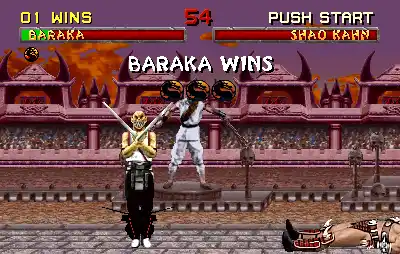
Mortal Kombat II: A Step Forward in Fighting Games
Mortal Kombat II revolutionized the fighting game genre upon its release in 1993. Building on the success of its predecessor, this sequel introduced players to an immersive world filled with brutal characters and rich backstories. The game not only enhanced its combat mechanics but also pushed the boundaries of technology at the time, making it a defining title in arcade history. Players were immediately drawn to the game’s visceral appeal, which combined intense gameplay with an innovative art style that made it stand out in an increasingly competitive market.
Core Gameplay Mechanics and Innovations
The gameplay of Mortal Kombat II built upon the fast-paced, one-on-one combat that made the original game a hit. Players could choose from a diverse cast of characters, each possessing unique special moves and fatalities—signature finishing moves that became a hallmark of the series. The addition of a combo system allowed for deeper strategy, making matches more engaging and fluid. The game also introduced the ability to perform “friendship” moves, offering a lighter contrast to its infamous fatalities. The overall difficulty of the game challenged players while rewarding mastery, making every victory feel earned.
A Historical Perspective
Launched as an arcade title, Mortal Kombat II quickly transcended the gaming landscape, becoming a cultural sensation. Amidst controversies surrounding its graphic violence, the game garnered immense popularity, fueling debates about censorship and the portrayal of violence in video games. This sparked a vital conversation about game ratings, leading to the establishment of the ESRB in 1994. As players flocked to arcades, the game solidified its place in pop culture, inspiring movies, animated series, and merchandise that further expanded its influence.
Legacy and Cultural Impact
In summary, Mortal Kombat II is remembered not just for its iconic brutality but for its lasting impact on the gaming industry. From innovative gameplay mechanics to significant cultural discussions, it has permanently etched its place in gaming history. As both players and critics look back, its legacy serves as a testament to how video games can shape and reflect societal values.
![The King of Fighters 2002 Magic Plus II (bootleg) [Bootleg]](https://playretrogames.org/uploads/images/the-king-of-fighters-2002-magic-plus-ii-bootleg-bootleg.webp)
![The King of Fighters 2002 Super (bootleg) [Bootleg]](https://playretrogames.org/uploads/images/the-king-of-fighters-2002-super-bootleg-bootleg.webp)
![Street Fighter II' - Champion Edition (YYC bootleg set 2, 920313 etc) [Bootleg]](https://playretrogames.org/uploads/images/street-fighter-ii-champion-edition-yyc-bootleg-set-2-920313-etc-bootleg.webp)