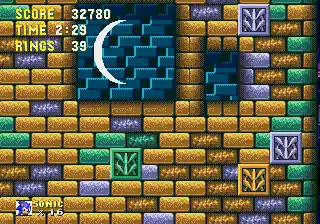
Play Sonic 1 Definitive Retro Game Online

Sonic's Revolutionary Gameplay Mechanics
The release of Sonic in 1991 marked a significant shift in platform gaming, introducing players to a character that could not only run but also dash at incredible speeds. This innovation redefined the genre, moving away from the slower-paced mechanics of competitors. With its iconic loop-de-loops and multi-tiered stages, Sonic’s gameplay required both skill and reflexes, presenting a unique challenge even for seasoned gamers. The balance between speed and precision kept players engaged and motivated, establishing a new standard for platformers.
Exploration and environmental interaction also played critical roles in Sonic’s design. Players could deviate from linear pathways, uncovering secret zones and bonus stages, which encouraged thorough exploration and replayability. As players progressed, they faced a variety of enemies and obstacles that demanded strategic thinking and quick reflexes, showcasing a gameplay style that was both accessible yet difficult to master.
A Cultural Phenomenon and Lasting Legacy
Upon its initial release, Sonic quickly became more than just a game; it transformed into a cultural icon. With Sega positioning Sonic as the face of its brand, the character's blue hue and spiky design resonated with a generation, providing a stark contrast to Nintendo’s Mario. Sonic’s popularity spurred a vast array of merchandise, including toys, cartoons, and even a comic series, solidifying its place in pop culture.
Furthermore, the game’s catchy soundtrack and vibrant graphics remain etched in the memories of those who experienced it. Sonic's enduring appeal is reflected in numerous sequels and spin-offs, maintaining relevance in an ever-evolving gaming landscape. Even decades later, new adaptations and remakes continue to attract both nostalgic fans and new players, showcasing its timelessness.
Why Sonic Remains Relevant Today
Today, Sonic continues to thrive due to its innovative design and nostalgic value. Remakes and reboots have kept the original gameplay fresh, while Sonic’s character has expanded through various media. His adventures resonate with players across generations, ensuring that Sonic remains a beloved figure in gaming culture.
In conclusion, the impact of Sonic on both video game design and popular culture cannot be overstated. Its revolutionary gameplay mechanics and cultural significance have left an indelible mark, ensuring that it remains a topic of discussion among gamers and fans alike. With its blend of speed, innovation, and nostalgia, Sonic will likely continue to captivate audiences for years to come.