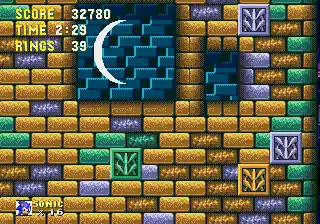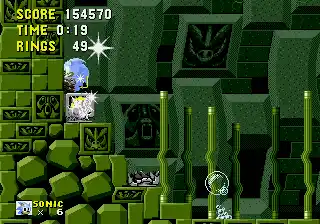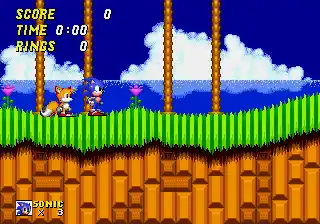
Play Sonic 1 published by EA Retro Game Online
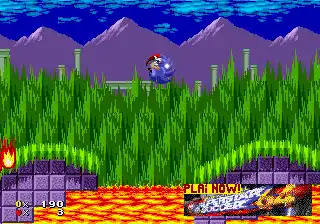
Sonic 1: A Landmark in Gaming History
When Sonic 1 first burst onto the gaming scene, it redefined speed and style in platform gaming. Released in 1991, this title marked the beginning of a franchise that would soon become a cultural phenomenon. With its vibrant visuals and innovative gameplay mechanics, Sonic 1 introduced players to the blue hedgehog, an icon still celebrated today. As a vibrant symbol of the early 90s gaming revolution, this title contributed significantly to Sega’s rise and offered a fresh alternative to rival Nintendo's Mario series.
Gameplay Mechanics and Difficulty
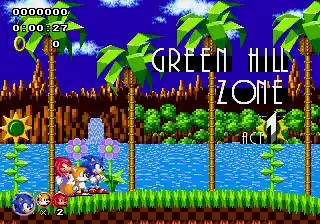
The core gameplay of Sonic 1 revolves around speed and agility, where players navigate through beautifully crafted levels filled with loops, ramps, and various obstacles. The objective is straightforward: traverse through zones, collect rings, and defeat Dr. Robotnik. What sets Sonic apart from other platformers of the time is the emphasis on momentum; players are encouraged to build speed and perform daring leaps. However, the game isn’t without its challenges. The difficulty lies not just in avoiding enemies but also in mastering the physics that govern Sonic’s movements. Each level culminates in thrilling boss battles, adding a layer of excitement and urgency that keeps players engaged.
Design Innovations
Sonic 1 showcased a variety of design innovations that were as entertaining as they were groundbreaking. First, the use of parallax scrolling added depth to the game’s stunning environments. Second, the introduction of the Spin Dash move in subsequent Sonic titles challenged conventional platforming mechanics, but the groundwork was laid in this first incarnation. The soundtrack, composed by Masato Nakamura, also became iconic, perfectly complementing the fast-paced action and helping to establish Sonic's personality.
The Cultural Impact of Sonic 1
The cultural impact of Sonic 1 cannot be overstated. Not only did it establish Sega as a key player in the gaming industry, but it also set the stage for one of the longest-running franchises in video game history. The game’s marketing campaign featured memorable slogans and colorful artwork, resonating with the youth of the time, and cementing Sonic’s status as a pop culture icon. In the years that followed, Sonic 1 spawned sequels, spin-offs, and an extensive range of merchandise. Today, it is often celebrated through remakes, mobile adaptations, and appearances in various media, proving its timeless relevance.
In conclusion, Sonic 1 remains a beacon of nostalgia and innovation, embodying the essence of 1990s gaming. Its unique gameplay mechanics, groundbreaking design, and cultural shout-out continue to influence new generations of gamers. Whether you are a long-time fan or a newcomer to the series, Sonic 1 offers an unforgettable experience that reminds us why we fell in love with gaming in the first place.