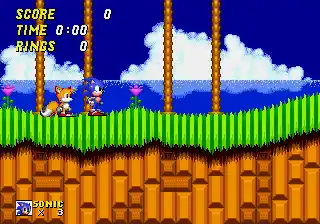
Play Sonic 2: S3 Edition Retro Game Online
Sonic 2: A Quick Dive into the Gameplay Mechanics
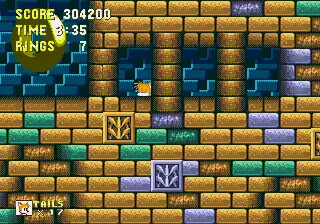
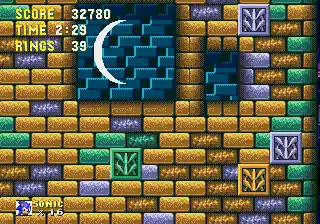
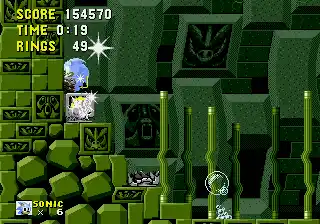
The legacy of Sonic 2 lies not only in its captivating story but also in its groundbreaking gameplay mechanics. Released in 1992 on the Sega Genesis, the title introduced a high-speed platforming experience that transformed the gaming landscape. Players navigate Sonic and his sidekick Tails through vibrant levels filled with loops, hazards, and rings. The addition of cooperative multiplayer mode allowed a second player to control Tails, making the experience more dynamic and enjoyable.
One of the standout features is the Spin Dash move, allowing players to gain immediate speed while remaining in place, pushing the boundaries of platforming strategies. Levels are intricately designed, presenting a mix of challenges requiring skill and quick reflexes. The game’s difficulty is balanced well, appealing to both seasoned gamers and newcomers. With its catchy soundtrack and colorful graphics, Sonic 2 successfully created an immersive world that remains cherished by fans today.
The Cultural Impact and Lasting Legacy
Sonic 2 not only defined a franchise but also played a crucial role in the 1990s gaming culture. It was pivotal in establishing Sonic as Sega's mascot, countering the rising influence of Nintendo’s Mario. The game received critical acclaim upon release and has been hailed as one of the greatest games of all time. Its fast-paced gameplay and iconic level designs continue to influence modern platformers.
- Iconic levels like Chemical Plant Zone and Emerald Hill Zone are still referenced today.
- The introduction of Tails added depth to character dynamics in games.
- The game's speed and design set benchmarks for future platformers.
Even decades later, it holds a special place in the hearts of gamers. Numerous re-releases and collections have ensured that new generations can experience the excitement of Sonic 2, further solidifying its reputation as a timeless classic.
The Technical Innovations that Shaped the Gameplay
With Sonic 2, Sega utilized advanced graphic capabilities of the Genesis, providing vibrant visuals and fluid animations that showcased the system's power. The game's tight controls and fluid physics engine allowed for the hallmark high-speed gameplay, ensuring that players not only could navigate the levels but truly enjoy the rush of speed. These innovations paved the way for future titles, creating expectations for platformers that followed.
Conclusion
The enduring charm of Sonic 2 lies in its innovative gameplay and cultural significance. As a cornerstone of retro gaming, it encapsulated the spirit of the era, combining thrilling mechanics with an unforgettable aesthetic. Whether you're revisiting it or experiencing it for the first time, the game’s legacy continues to resonate, ensuring that it will be celebrated by gamers for years to come.