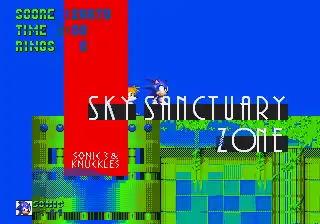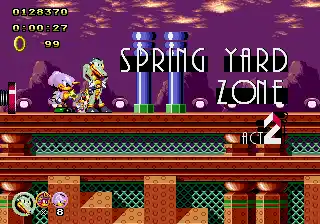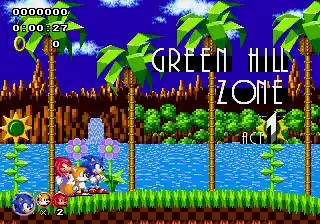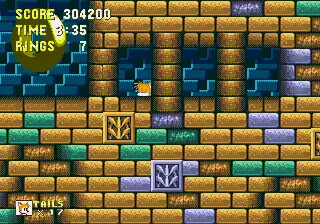
Play Sonic the Hedgehog 2 (Sep 14, 1992 prototype) Retro Game Online
Core Gameplay Mechanics and Difficulty
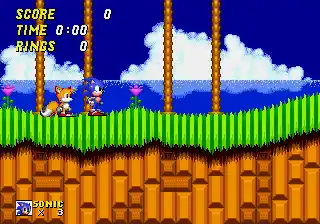
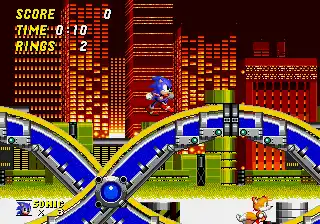
The release of Sonic the Hedgehog 2 marked a significant evolution in platform gaming. Its fast-paced gameplay, characterized by unique level designs, allowed players to navigate vibrant worlds filled with obstacles and enemies. With a focus on speed and precision, players controlled Sonic and his sidekick Tails, exploring intricate environments that encouraged exploration and mastery of mechanics. The addition of Tails introduced cooperative gameplay elements, enabling players to team up for various challenges.
One of the standout features was the implementation of the Spin Dash move, a mechanic that not only made traversing terrain more exciting but also added a strategic layer to gameplay. While the game was accessible for beginners, it also presented various challenges that required skill, timing, and reflexes to overcome, making it rewarding for players seeking to master its intricate levels.
Historical Release Background and Technical Innovations
Launched in September 1992 as a sequel to the original title, Sonic the Hedgehog 2 was developed by Sega and became integral to their strategy in competing with Nintendo's Mario franchise. Its rapid development cycle, culminating in the use of advanced technologies for its time, showcased Sega's commitment to innovation. The game featured colorful, detailed graphics powered by the Sega Genesis hardware, presenting a visually captivating experience that defined the 16-bit era.
Notably, the music composed by Masato Nakamura further enhanced the gameplay experience, creating memorable soundtracks that resonate with nostalgia. Many elements established in this game, such as the iconic Green Hill Zone and celebrated boss battles, set a benchmark for platformers that followed, solidifying its legendary status in gaming history.
Cultural Impact and Long-Term Legacy
The impact of Sonic the Hedgehog 2 extends beyond just its gameplay. It became a cultural phenomenon, reflected in merchandise, comics, and animated series. The character of Sonic emerged as an essential figure in video game history, representing Sega’s identity. Today, the game is celebrated not only for its gameplay innovations but also as a foundational title that has influenced countless game designers and inspired devoted fanbases around the world.
In summary, Sonic the Hedgehog 2 remains a quintessential classic, revered for its dynamic gameplay, cultural significance, and timeless appeal. It stands as a powerful reminder of the early 90s gaming landscape and continues to be explored and cherished by new generations of players.