Play Tekken 2 Ver.B (US, TES3/VER.D) Retro Game Online
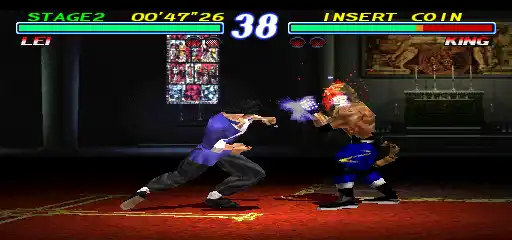
Revolutionizing the Fighting Genre
The legacy of Tekken 2 transcends its vibrant graphics and engaging gameplay mechanics. Released in arcades in 1995 and later for home consoles, this title significantly shaped the fighting game genre. It introduced players to a deeper, more diverse combat experience that challenged previous notions of joystick manipulation. With a complex arcade system and unique character backstories, it set a new standard for narrative depth in fighting games, influencing countless titles that followed.
Core Gameplay Mechanics and Innovations
Tekken 2 featured an intricate combat system that emphasized both strategy and skill. Players could choose from a roster of 25 characters, each equipped with distinct moves and fighting styles. The addition of multiple combo systems made the gameplay compelling but also accessible to newcomers, creating a balance of opportunity. Notable mechanics like the throw system and counter attacks enhanced the tactical depth, giving players various ways to outmaneuver their opponents. The game also boasted improved 3D graphics and fluid animations, showcasing the development team's commitment to quality and immersion.
Lasting Cultural Impact
The impact of Tekken 2 on gaming culture can't be overstated. It became a staple in arcades and home consoles alike, cementing its status as a classic. The game’s memorable characters, like Paul Phoenix and Nina Williams, have become iconic figures in the gaming world. Moreover, its influence extended beyond just gaming; it inspired merchandise, animated adaptations, and competitive tournaments. This cultural resonance is reflected in the enduring popularity of the series, which continues to capture the hearts of both old and new fans alike.
Conclusion
In the pantheon of fighting games, few titles hold the same reverence as Tekken 2. Its groundbreaking gameplay, innovative mechanics, and rich storytelling have cemented its place in the annals of gaming history. As both a nostalgic reminder of the 1990s and a blueprint for future games, it represents a significant milestone in the evolution of fighting games. Today, it remains a beloved classic, inviting reflections on the past while inspiring the innovations of tomorrow.
![The King of Fighters 2002 Magic Plus II (bootleg) [Bootleg]](https://playretrogames.org/uploads/images/the-king-of-fighters-2002-magic-plus-ii-bootleg-bootleg.webp)
![The King of Fighters 2002 Super (bootleg) [Bootleg]](https://playretrogames.org/uploads/images/the-king-of-fighters-2002-super-bootleg-bootleg.webp)
![Street Fighter II' - Champion Edition (YYC bootleg set 2, 920313 etc) [Bootleg]](https://playretrogames.org/uploads/images/street-fighter-ii-champion-edition-yyc-bootleg-set-2-920313-etc-bootleg.webp)