Play Donkey Kong (Europe) Retro Game Online
Introduction
The release of Donkey Kong marked a pivotal moment in video game history, serving not just as a source of entertainment but also as a catalyst for the arcade gaming revolution. Initially introduced to European audiences in the early 1980s, this classic title brought forth innovations that set the stage for countless sequels and clones. The game's blend of challenging platform mechanics and engaging storytelling captured the imaginations of players, creating a lasting legacy that continues to resonate in modern gaming culture.
Gameplay Mechanics and Difficulty
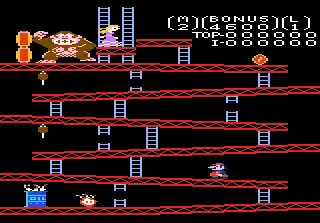
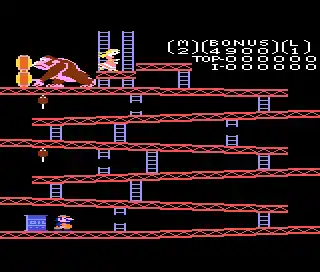
In Donkey Kong, players assume the role of the heroic Jumpman, who must navigate through a series of increasingly difficult levels to rescue his kidnapped love interest, Pauline, from the grasp of the titular ape. The gameplay mechanics are straightforward yet challenging, revolving around jumping, climbing, and dodging obstacles such as barrels thrown by Donkey Kong. Each level introduces new hazards and requires precise timing and strategy, elevating the game's difficulty. Players often find themselves compelled to improve their scores, leading to a competitive atmosphere in arcades.
Historical Background and Innovations
Developed by Nintendo and launched in 1981, Donkey Kong is widely credited with establishing the platform genre. The game was one of the first to feature a multi-level structure, with an engaging storyline woven into the gameplay. Its pioneering use of cutscenes to advance the narrative was revolutionary at the time, helping to forge a deeper emotional connection between players and characters. Furthermore, the game introduced the iconic character of Mario, who would eventually become one of the most recognizable figures in the gaming industry.
Cultural Impact and Legacy
The enduring appeal of Donkey Kong is evident from its numerous sequels and adaptations. Beyond video games, the franchise has entered popular culture, influencing television shows, merchandise, and even film adaptations. Its significance is further highlighted by its inclusion in gaming museums and lists of greatest games of all time, showcasing how it has shaped the landscape of interactive entertainment. Today, enthusiasts continue to celebrate the game through speedrunning communities and competitive high-score contests.
Conclusion
Donkey Kong remains a cornerstone of retro gaming, embodying the innovative spirit and creativity of its era. Its intricate combination of challenging gameplay and storytelling not only laid the groundwork for future platformers but also captured the hearts of generations of gamers. As new technologies emerge, this classic serves as a reminder of the simple yet powerful experiences that video games can offer. The legacy of Donkey Kong is a testament to its timeless appeal, ensuring its place in the annals of gaming history.